
Invisible Comfort, Perfectly Balanced
The Quiet Science Beneath Your Feet
Hydronic vs. Electric, Explained Simply
Floors, Finishes, and Thermal Pathways
Retrofit Tactics That Respect Your Home
Room-by-Room Mastery Without the Guesswork

Air You Breathe, Care You Feel

Layered Defense Against Particles and Gases
Fresh Air Without the Penalty
Wellness Stories From Real Homes
Design That Disappears Into the Background
Choosing the Right Heat Source
Air-to-water heat pumps excel in moderate climates; ground-source units shine where drilling is feasible and incentives are strong. Condensing boilers integrate cleanly for backup or legacy radiators. Modulation, turndown ratios, and outdoor reset keep supply temperatures low, boosting comfort and multiplying efficiency in real weather.
Envelope First, Systems Second
Air sealing, insulation continuity, and high-performance windows cut loads dramatically, allowing smaller equipment that operates in its sweet spot. Quiet comfort improves when drafts disappear. An audit with blower-door numbers sets priorities, then systems are sized precisely, avoiding the cost and noise of oversized machinery.
Data That Guides Better Living
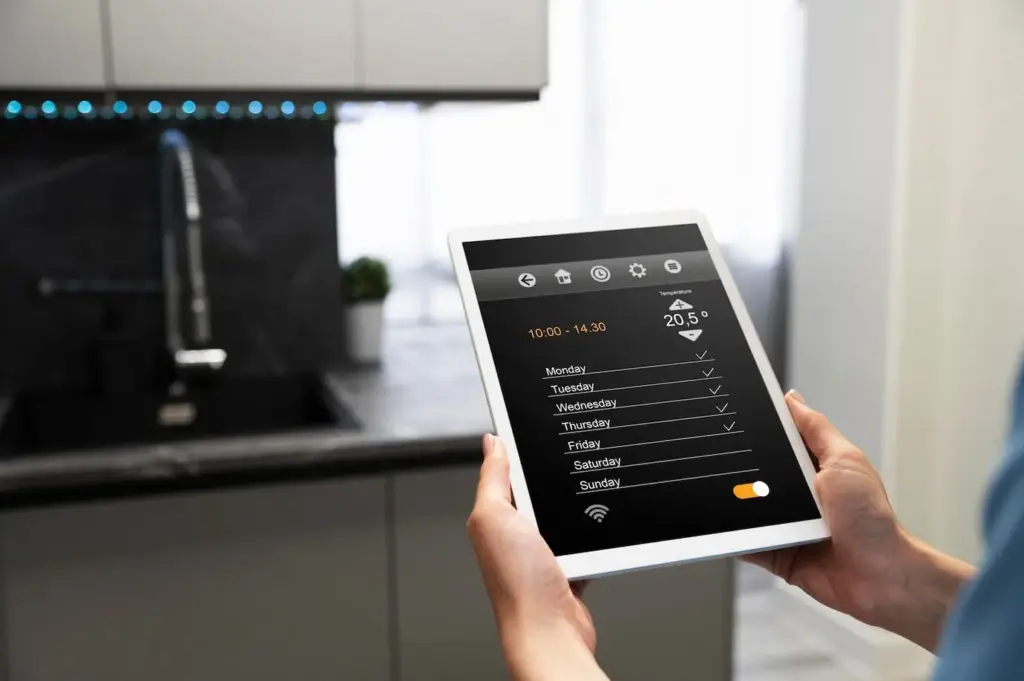
Connected thermostats, IAQ monitors, and energy dashboards reveal patterns unseen by intuition. You might find afternoon sun spikes one room, or filtration has slipped. Gentle nudges—earlier preheat, slightly lower supply temps, filter reminders—turn numbers into decisions that feel better and lower monthly surprises.
Seasonal Checklist You’ll Actually Use
Spring favors coil cleaning, damper tests, and filter changes after pollen peaks. Fall invites boiler service, glycol verification where needed, and thermostat calibration. Short monthly walk-throughs catch small drips, noisy bearings, or stale alerts before they grow, preserving comfort and extending the life of every component.
Troubleshooting, Calmly and Systematically
When a room lags, verify sensors, dampers, and setpoints, then check supply temperatures and flows. For air quality dips, inspect seals and filter seating. Documented baselines simplify comparisons, helping professionals pinpoint issues quickly while reducing guesswork, costs, and the stress that discomfort often brings.
Upgrades That Age Gracefully
Plan for filter cabinet sizes that accept deeper media, open control platforms with API access, and service clearances that welcome future equipment. As technology evolves, your home can adopt better compressors, fans, and sensors without demolition, protecting investments while elevating comfort and health year after year.